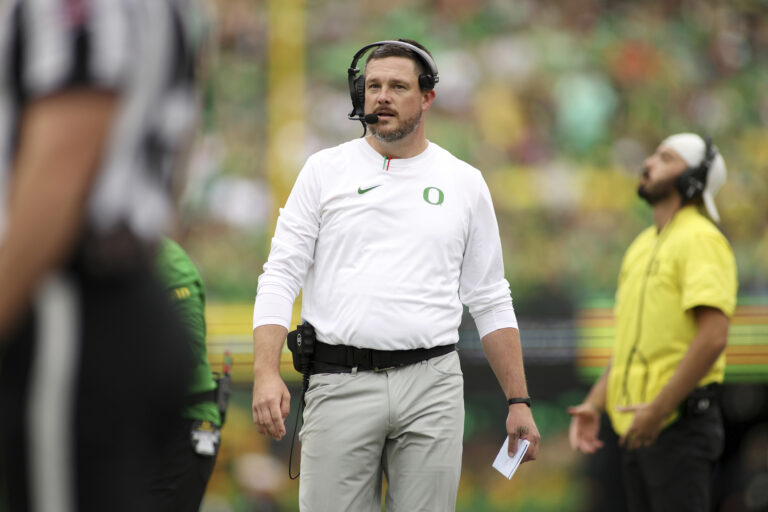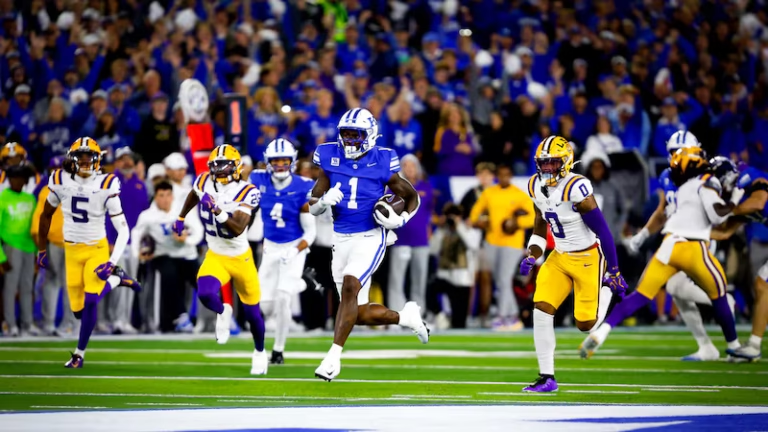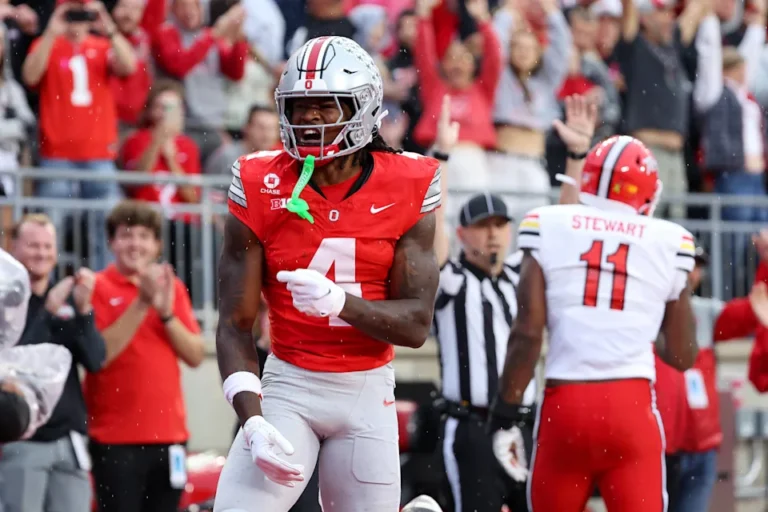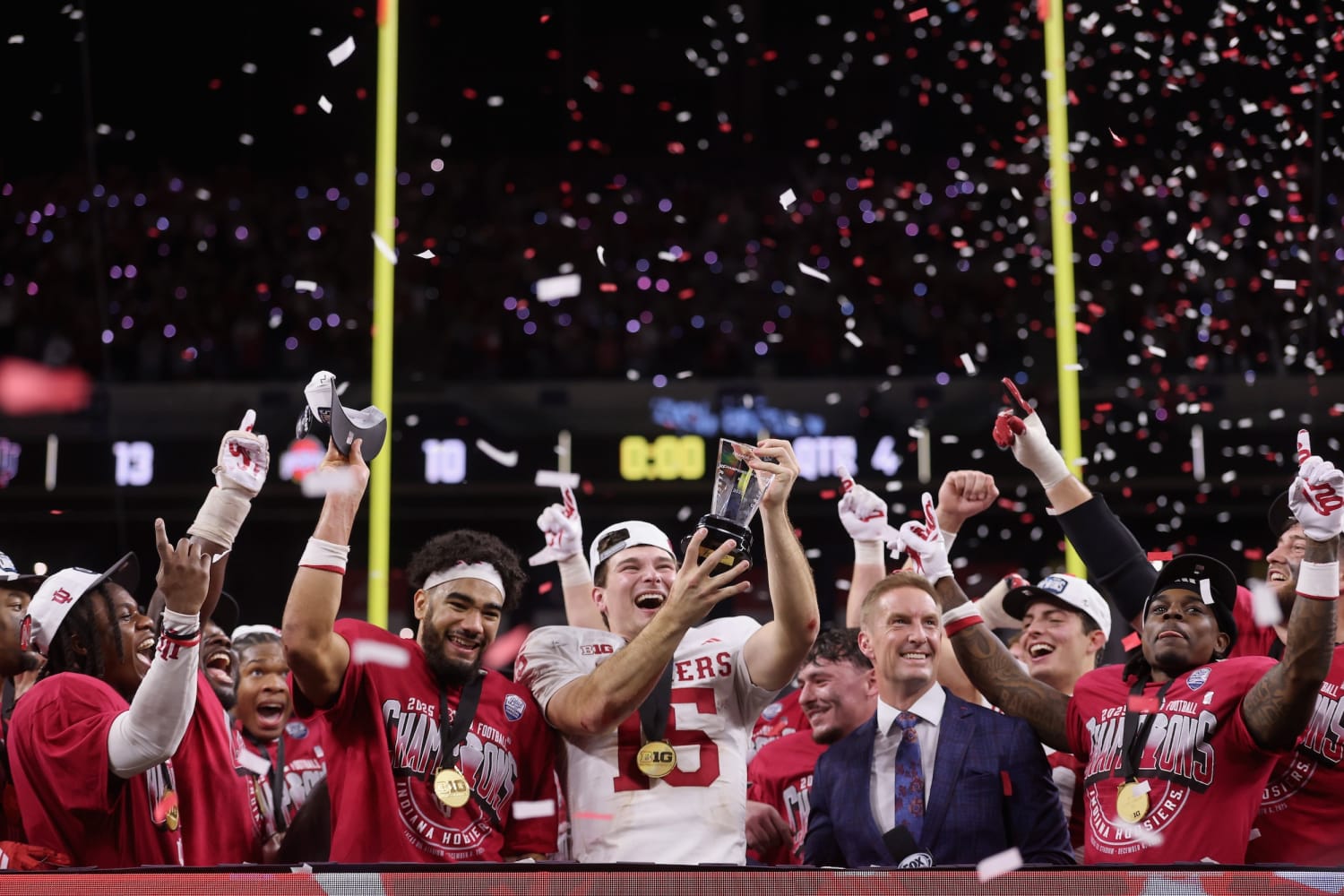
Curt Cignetti walked into his first Indiana press conference and told a room full of people who barely cared about Indiana football that he wins. “Google me.” The Hoosiers had gone 9-27 in the three years before he got there. They were the first program in FBS history to reach 700 losses. Two years after Cignetti walked through the door, Indiana went 16-0 and won the national championship.
That is the Big Ten national championship 2026 conversation in its proper frame. Michigan won in January 2024. Ohio State won in January 2025. Indiana won in January 2026. Three different programs, three different quarterbacks, same answer every January. The SEC has not appeared in a national title game in any of those three years.
A Big Ten team wins it again in January 2027. Here is why.
Can Any Big Ten Team Actually Win the National Championship in 2026?
Yes, and the problem for everyone else is that there are three of them. Indiana is the defending champion with the best quarterback developer in college football running the program. Ohio State has the most NFL-caliber talent in one building. Oregon returns 14 starters with a quarterback who walked away from top-five NFL Draft money to come back. Any of these three beats anyone in the country on a given night in January.
I’ve watched a lot of college football over the last three years and what the Big Ten figured out is not complicated. Stack multiple championship-caliber programs in the same conference, beat each other up all season, and send whoever survives into January ready for anything. That is exactly what the SEC did for fifteen years. Now the Big Ten has it.
Indiana won a national title with a quarterback nobody outside the portal world had heard of. Curt Cignetti found Kurtis Rourke and Rourke made the All-Big Ten second team. Then he found Fernando Mendoza from Cal and Mendoza won the Heisman. Four different quarterbacks won conference player of the year under Cignetti at James Madison before he ever got to Bloomington. The quarterback changes. The results don’t.
Ohio State brings back Julian Sayin at quarterback, Jeremiah Smith at receiver, and a defense that Matt Patricia rebuilt from the ground up. Smith is the best receiver in college football right now. That is not a take, that is what every preseason scouting board says. Ryan Day hired Arthur Smith out of the NFL to run the offense. The Buckeyes are going to have one of the most talented rosters in the country and a schedule brutal enough that if they come out of it healthy, they’ve already been tested by everything January can throw at them.
Oregon is 48-8 under Dan Lanning. The Ducks went 11-1 last year, made the CFP, and got blown out by Indiana 56-22 in the Peach Bowl. Dante Moore watched that and decided to come back anyway instead of going top five in the NFL Draft. The entire starting defensive line returns. Fourteen starters total. CBS Sports said this might be Lanning’s best team yet, and Lanning’s teams have been very good.
Three programs, any one of them can win it. Nobody else has three.
What Did These Teams Do This Offseason?
All three Big Ten contenders addressed their biggest needs and came out of the portal window in better shape than they went in. Indiana landed Josh Hoover from TCU, who has 9,629 career passing yards, the most productive returning starter at the position in the country. Ohio State rebuilt its secondary and defensive line after losing 30-plus scholarship players. Oregon kept all 14 returning starters and added depth.
Josh Hoover originally committed to Indiana out of high school. Then he flipped to TCU. That was a different Indiana, the one going 9-27 under Tom Allen, the one nobody was building a future at. Hoover spent four seasons in Fort Worth, threw for over 3,400 yards in each of his last two years, finished his career as the FBS leader in passing yards and touchdowns among returning starters, and then went to Bloomington to follow a Heisman Trophy winner.
He took the job anyway.
Nick Marsh arrives from Michigan State as a projected first-round pick in the 2027 draft who led the Spartans in catches, yards, and touchdowns last season. Joe Brunner was one of the most coveted offensive linemen in the entire portal. Both coordinators had outside interest and stayed. Indiana is not treating this like a victory lap.
Ohio State lost more than 30 scholarship players through the portal, including five-star wide receivers Quincy Porter and Darian Graham, who both ended up at Notre Dame. That hurts. But the Buckeyes brought in Earl Little Jr. from Florida State, who had four interceptions last year and can play multiple spots in the secondary. Qua Russaw and James Smith came over from Alabama to rebuild the defensive line. And they finally fixed the kicker situation with Connor Hawkins from Baylor, who went 18-for-22 as a freshman. If you watched either of the last two Ohio State seasons you know exactly why that matters more than anyone says out loud.
The schedule is as hard as it gets. Road games at Texas, Iowa, Indiana, and USC. Three losses is a realistic outcome. Three losses with that schedule still gets you into the playoff.
Penn State has Matt Campbell in from Iowa State and should be more dangerous on offense. USC came in with the top recruiting class in the country. Michigan hired Kyle Whittingham, who is a legitimate head coach who turns things around. None of those three are at the top three’s level yet. But two of them will be in the playoff conversation by October, which means the conference grinds itself up all season and the survivor walks out of December ready.
What Does the Rest of College Football Actually Have?
Notre Dame is the most credible non-Big Ten threat in 2026. Marcus Freeman returns nine of his top ten tacklers, sophomore CJ Carr is back at quarterback with a full season of starting experience, and the Irish missed the CFP entirely last year. This team comes in with something to prove, and they have the talent to prove it. Texas has Arch Manning, Cam Coleman from Auburn, and the schedule to get to the final four.
And then they’d have to beat a Big Ten team.
The Athletic polled their entire college football staff on who wins the national championship in 2026. Oregon got nine of the 28 votes. Notre Dame got five. Texas got four. Three schools got more than two votes from the people who cover this sport for a living. Two of those three schools are in the Big Ten.
The SEC would like you to know it is coming back. Georgia has won twelve games in back-to-back seasons and lost in the quarterfinals both times. Alabama is rebuilding under DeBoer. LSU just paid Lane Kiffin more money than any coach in the sport has ever made without a championship on his resume, brought in Sam Leavitt from Arizona State, and thinks this is the year the Bengals get back. Tennessee has a quarterback battle between a career backup and a five-star freshman.
The conference that spent fifteen years telling everyone it was the only place real football happened has not appeared in a national title game since Indiana walked into the room in January 2024. Michigan knocked them out of the conversation first. Ohio State finished the argument the next year. Indiana won it with a program that held the all-time FBS loss record two years earlier.
Three straight years. The gap between what the Big Ten has and what the SEC has right now is real, it is documented, and it is getting wider.
Why the Big Ten National Championship 2026 Stays in the Conference
A Big Ten team wins a fourth consecutive national championship because the conference has three programs capable of winning it all while no other conference has more than one. That is how sustained dominance works. Not one great program. Multiple great programs competing against each other all season, toughening up, and then going into January ready for anything.
Indiana is the defending champion with the most proven quarterback development process in college football. Ohio State has the deepest collection of NFL-caliber skill position talent in one building. Oregon has a quarterback who walked away from millions because he decided he wanted one more shot at a title.
Any of those three could eliminate the other two. When three programs from the same conference are all capable of winning it, the path to the national championship runs through them no matter who shows up on the other side of the bracket. Notre Dame will probably be in the final four. Texas might be. The January bracket is going to have two Big Ten teams in it, one will eliminate the other, and then that team wins.
Four straight. The SEC had fifteen years of this. The Big Ten has had three. Nobody figured out how to stop the SEC when they were the conference doing this, and nobody has figured out how to stop the Big Ten either.
Curt Cignetti told that room full of people who didn’t believe in Indiana football that he wins. Then he won. Then he won again. The conference learned from watching him.