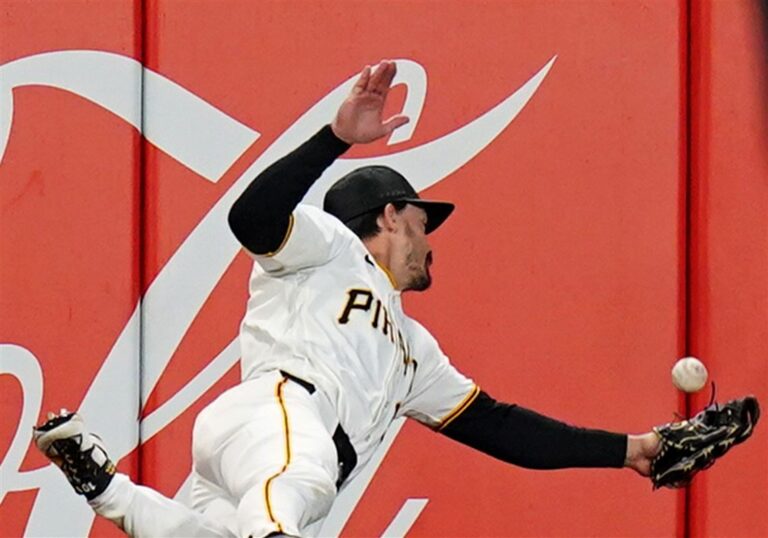

Every winter, MLB teams start talking spicy.
“We’re going to be aggressive.”
“We have the resources.”
“We know we have to do more.”
If you are a Pirates fan, you have heard this monologue on loop. President Travis Williams says Bob Nutting has opened the wallet. Ben Cherington keeps dropping “aggressive offseason” buzzwords. Agents hear that Pittsburgh wants to be “in” on bats and arms.
And yet, if you type “Bob Nutting cheap owner” into a search bar, nobody is confused about his reputation.
Here is the real story: MLB’s cheapest owners have figured out how to cosplay as contenders without ever paying the contender bill. The whole Bob Nutting cheap owner thing is just the loudest, easiest example of a league-wide trick.
The Winter Of Fake Aggression
Let’s start with the Pirates, because they are the cleanest case.
You have Paul Skenes, a legit frontline ace at the start of his career. You have a fan base that has been starved for anything that looks like a real push. And you have years of Nutting running bottom-third payrolls while the team’s value and revenues only go up.
So this winter, the messaging shifts.
Suddenly it is “unacceptable” seasons and “we know we have to be better.”
Suddenly it is “we have the resources” and “we will be a lot more active.”
At the same time, the rumor mill leaks big names. Interest in a bat like Kyle Schwarber. A possible run at someone like Josh Naylor. Mid-rotation arms that sound like actual upgrades.
But when you look at the transaction log, what shows up?
Minor-league deals. 40-man shuffling. Cheap flyers. Depth pieces.
Pirates fans have seen this movie. The words get aggressive. The spending does not.
Zoom out and you see other teams running the same script. The Astros make cost-conscious trades under the cover of “getting younger” and “staying flexible.” The Brewers are already worried about what their 2026 payroll might look like and could move Freddy Peralta before he ever fully cashes in.
Different markets, same energy.
How Cheap Owners Learned To Talk Like Big Spenders
This did not happen by accident. Owners learned how to talk like big spenders because getting openly roasted as cheap got uncomfortable.
Here is the new PR playbook.
Step 1: Promise aggression.
You do the “unacceptable” press conference. You say missing the playoffs will not stand. You tell season-ticket holders that ownership wants to win “as badly as they do.”
Step 2: Leak real names.
You let it slip that you checked in on Schwarber. Or that you have called about Naylor. Or that you are “monitoring” a top-tier starter. Beat writers are happy. Fans argue about lineup fits and trade packages for weeks.
Step 3: Talk up value and discipline.
You pivot to the “we need to be smart” part. You emphasize not blocking young players. You tell everyone you will not “spend just to spend.”
Step 4: Land on a 70–80 win payroll.
You sign one or two low-cost arms. Maybe a buy-low veteran bat. You give glowing quotes about your analytics department and “efficiency.” Payroll stays in the bottom or middle. Revenue, for you, looks great.
This is how you end up with a league full of teams that sound like they are chasing a World Series while quietly budgeting for 76 wins.
And for owners, it works. Fans are so busy debating front-office “creativity” that they stop asking the only question that matters:
How much is this team actually willing to spend to win?
Case Study No. 1: Bob Nutting, The Poster Child
This is where Bob Nutting steps in as the prototype.
The Pirates are not some hopeless, broke operation. They are a relatively wealthy owner in a loyal baseball town, sitting on a beautiful ballpark, local TV money, revenue sharing, the whole setup. And year after year, their payroll lives in the bottom range of MLB while their revenues and franchise value look a whole lot healthier.
That is why the Bob Nutting cheap owner label sticks. It is not about one bad year or one missed signing. It is about a pattern.
Every time the Pirates show a pulse, they hit the same wall. One or two interesting pieces, then a hard ceiling. There is always a reason. The timing is not right. The market is weird. No one wants to “block the kids.”
Now they have Paul Skenes. They have a core that, with real help, could actually make noise. This is the exact moment where a serious owner says, “Cool, let’s go.”
Instead, we get the carefully-scripted aggression talk.
Pirates fans hear Nutting call losing “unacceptable.” They hear Cherington saying they will be aggressive in adding talent. They hear Williams insist Nutting has given them the resources. Then they watch the first few weeks of the offseason go by with almost nothing that screams “win now.”
You do not have to be a payroll expert to see what is happening.
The quotes are major league.
The checks are still Triple-A.
If Bob Nutting ever actually spent like an owner trying to win in Skenes’ prime, the entire narrative around him would flip in one winter. The fact we all doubt that is the point.
Case Study No. 2: Quiet Cost Cutting In “Trying” Teams
Now, Pirates fans, as painful as it is, your team is not alone.
Look at the Astros. This is a team that built a mini dynasty. They know what a real contender looks like. They know what it costs.
Yet lately, a lot of what they do feels like trimming around the edges. Moving a useful, more expensive role player for a cheaper version. Chasing value arms instead of paying top of the market. Talking about “getting younger” and “staying under certain marks” instead of bulldozing the window while it is open.
On paper, the Astros still “care about winning.” In practice, you can see ownership tightening the belt and trusting that the brand and the core will cover for it.
Same story in Milwaukee.
The Brewers are already murmuring about their 2026 payroll being “too high” before they even get there. Freddy Peralta is a guy you keep if you are pushing for the next step. He becomes a trade chip if the budget is king.
Brewers fans know this feeling. They watched the Hader trade. They watched big pieces get moved right as they were getting expensive. The front office language is always about sustainability and not overextending. The reality is that ownership is terrified of living in that uncomfortable payroll tier where contenders usually sit.
Both the Astros and Brewers try to live in this tight lane where they can say they are going for it, without ever doing something that genuinely stresses the bottom line.
That is how you get a whole class of “trying” teams that are always good, never terrifying.
PR Contenders vs Real Contenders
Here is the line nobody in ownership wants fans to draw:
There are PR contenders and real contenders.
PR contenders are the teams that talk about windows and flexibility and payroll discipline. They leak big names, they hit on a couple of smart moves, and they live in the mushy middle.
Real contenders put actual risk on the books.
They sign someone who might look ugly in year four because year one and two could win a title.
They take on salary in trades.
They act like the point of having a star core is to surround it, not admire it while it wastes its prime.
You do not have to love every move the big-spending clubs make to understand this difference. One group is constantly finding ways to justify staying safe. The other group accepts that sometimes you eat a bad contract in exchange for a real shot at a parade.
That is what separates the Dodgers from the Bob Nutting cheap owner model. Both have smart front offices. Only one is allowed to truly go for it.
If your owner’s number one goal is never being “stuck” with a bad deal, your team’s number one result is never being stuck playing deep into October.
The Fair Pushback: When Money Actually Is Tight
Now, let’s be fair. Not every owner crying poor is completely full of it.
Local TV money is a mess. Revenue structures have changed. Some markets really do have tighter margins and cannot just run $300 million payrolls because a blogger yelled on the internet.
There are legitimately small markets that have to pick their spots and cannot survive three massive deals going sideways. That is real.
The problem is that teams like the Pirates, and a few others, hide behind that reality while living a completely different financial life. They benefit from revenue sharing. They play in solid markets. They see profits and franchise values climb.
Then they stand next to actual small-market clubs and say, “Yeah, we are poor too.”
This is where fans have to get smarter. You do not need exact balance sheets. You just need to recognize patterns. Does your owner always seem to pick the cheaper path? Does your team always seem to be “a piece or two away,” yet never add that piece? Are you constantly hearing about “flexibility” and “long-term health” when the window is right now?
If yes, you are not watching a brave, disciplined front office. You are watching a cautious owner who has learned to talk like a contender without paying the contender price.
Why This Matters Now
This is not just about one offseason. It is about what kind of league you want to watch.
Fans across baseball are tired of being told to be patient while owners treat winning like a side quest. You can feel it every time a star walks for money that clearly could have been matched. You can feel it every time a fan base is told “we tried” while a mid-level payroll stays frozen.
Revenue sharing and CBT rules were supposed to balance things. Instead, they created a cozy lane for owners who realized they can spend just enough to look interested, cash the checks, and let the big brands take all the heat.
If that becomes normal, you are going to see more wasted windows. More “aggressive” winters that end in mild upgrades. More stars stuck on teams that never get the final push they deserve.
What Fans Should Demand From Their Owners
You cannot force an owner to sell. You cannot storm the accounting department. But you can make the expectations very simple.
- Look at payroll relative to what is possible, not relative to zero.
If your team consistently spends near the bottom while the franchise value goes up, something is off. - When the window opens, demand at least one real add.
Not a flier. Not a reclamation project. A real bat or arm that moves the needle. If your team is close and they still will not do it, that tells you what you need to know. - Watch how often “flexibility” means “cheaper.”
Sometimes flexibility is real. A lot of the time, it is just a nicer word for cutting costs. - Call the bluff on fake aggression.
If an offseason is really aggressive, you do not need to be told 20 times. You can see it.
Pirates fans, here is the question:
What is the bare minimum move this winter that would convince you Bob Nutting is serious for once?
Astros and Brewers fans, be honest:
Does your team truly push when it has a shot, or does it just sell you on how clever the front office is while the budget stays comfy?
Name one move your favorite team made in the last three years that was clearly about saving money, not winning games. If that list is long, you already know which side of this you are on.
MLB’s cheapest owners are not dumb. They found a trick. Talk like a contender. Spend like a middle-of-the-pack business. Let the fans argue about everything except the wallet.
Bob Nutting is just the prototype. The only way this changes is if more fan bases start calling the trick what it is.
ROLL WITH HAIL MARY MEDIA
Like this kind of chaos? Stay tapped in.
Follow us on X for live reactions, bad beats, and daily sports rants.
FOLLOW @HAILMARYMEDIA_ ON XNot done yet? CLICK HERE for more blogs.