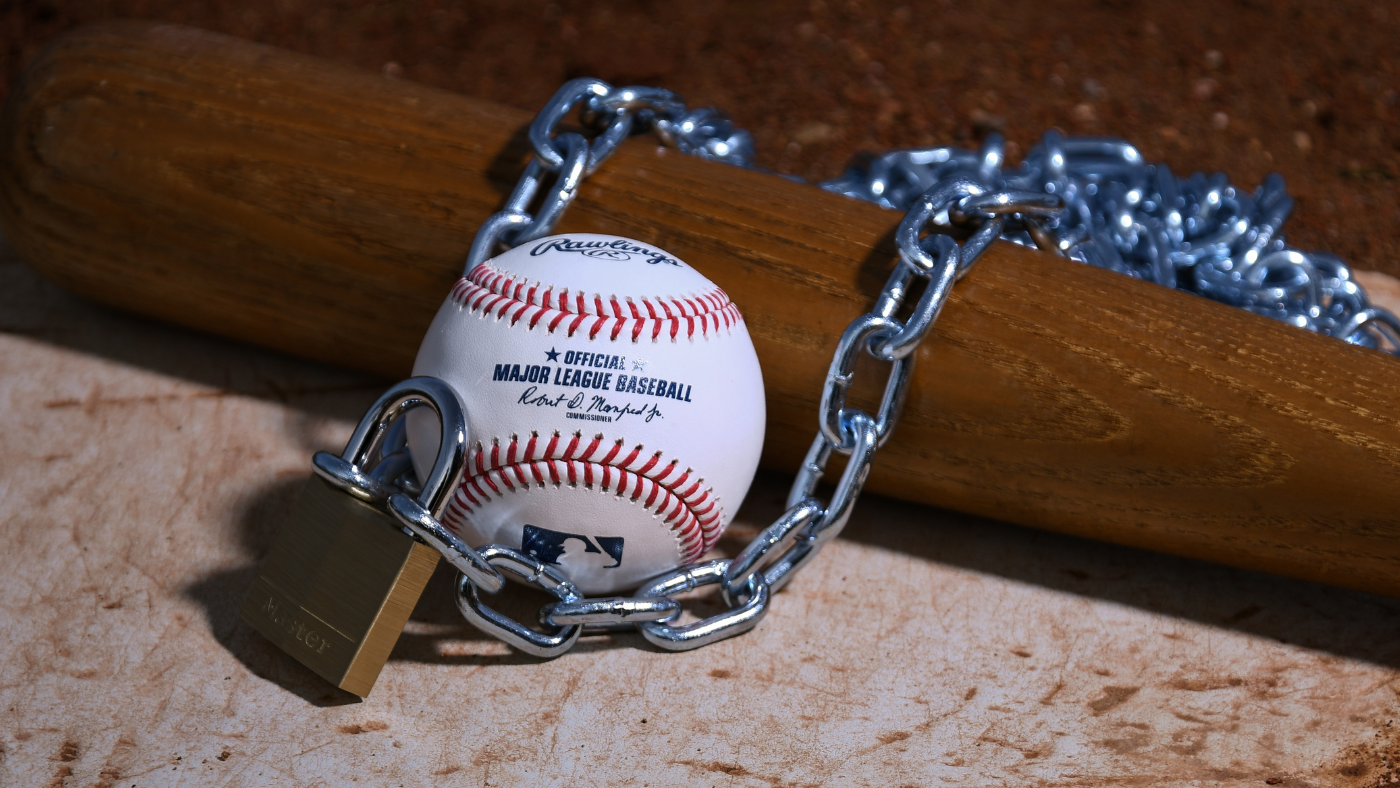

The MLB 2027 lockout odds just jumped because the players’ union lost its top voice at the exact moment it needed to look bulletproof. Tony Clark resigned this week, and the reporting around it is not the kind you file under “messy breakup” or “awkward office email.” It includes an internal finding of an inappropriate relationship with a union employee and the backdrop of a federal probe connected to the union’s business ties.
The current CBA expires at 11:59 p.m. ET on Dec. 1, 2026. That date is not a vibe. It’s a lever, and the owners know exactly how to pull it.
Will MLB lock out players for the 2027 season?
An MLB lockout can legally begin the moment the CBA expires on Dec. 1, 2026, because owners can choose to lock out players once there’s no agreement in place. The last time this happened, MLB’s lockout lasted 99 days and ended March 10, 2022, after dragging negotiations into spring training.
That’s the math. Now here’s the problem: you do not want leadership chaos right before the biggest negotiation of the era, and baseball just volunteered for it.
Why the MLB 2027 lockout got louder the second Clark walked
Clark didn’t leave in the quiet way leaders leave when everybody’s holding hands and wishing each other well. MLB.com reported that he resigned with a federal investigation hanging over him and with ESPN’s reporting that an internal union investigation found an inappropriate relationship involving his sister-in-law, who worked for the union. That’s not a clean exit. That’s a credibility leak right when the union needs to walk into a room and say, “We’re united, we’re organized, and we’re not blinking.”
The union moved fast to keep the ship from drifting. The AP reported Bruce Meyer was promoted to interim executive director and Matt Nussbaum to interim deputy, with both votes unanimous, and Meyer saying he expects to lead negotiations. That’s the sensible move, and it’s better than letting rumors run the place.
But “sensible” isn’t the same as “stable,” and stability is currency in labor talks. This is like switching lawyers the month before court and telling the judge not to worry because the new guy is smart. Maybe he is. The other side is still going to test whether you’ve read the whole file. That’s where the next section gets ugly.
The salary cap fight is why the MLB 2027 lockout feels inevitable
This negotiation was already headed for a head-on collision because the owners are back on the salary cap train, and they’re not pretending it’s a casual idea anymore. Rob Manfred has publicly talked about fan emails over the lack of a cap, and major reporting has framed owners as more determined than ever to push for a cap in the next deal.
The union’s position is the opposite of flexible. Clark called a cap “institutionalized collusion” and flat-out said it’s about franchise values and profits, not “growing the game.” That’s not posturing. That’s the union planting a flag on the hill and telling you where the fight is going to happen.
Here’s why it matters even if you only watch baseball when your team’s good: a cap isn’t just “parity.” A cap is cost certainty, and cost certainty usually shows up as pressure on the middle class of the league, not the superstars who can still bend rules and find loopholes. Owners sell “competitive balance” to fans, then negotiate the fine print that decides whether your team keeps its good second baseman or replaces him with a minimum-salary mystery box. And if both sides already know they’re miles apart on the one issue that rewires the entire sport, you can guess what tool gets used when the clock runs out.
The best argument against an MLB 2027 lockout, and why it still loses
The strongest counter is real: Bruce Meyer isn’t some random emergency hire. He’s been the point man before, and the AP reported he led negotiations through the 99-day lockout that produced the current five-year agreement in March 2022. The union can honestly say, “We’ve done this with him already.”
There’s also the basic self-interest argument. Nobody wants another public faceplant like the last lockout, when everyone watched billionaires and millionaires play chicken until spring training got torched. You can even find serious people around the sport arguing that lost regular-season games still aren’t the most likely outcome, because both sides remember how bad it looked.
But that argument doesn’t beat the calendar plus the cap. The CBA still expires Dec. 1, 2026, and Manfred has already said he expects talks on a new deal to start soon after Opening Day, which means the posturing phase is basically scheduled. Once the cap conversation is out loud and the union’s leadership has to spend any oxygen rebuilding trust, it gets easier for both sides to negotiate through headlines instead of across a table.
My MLB 2027 lockout prediction: by July 2026, the players go public about missed games
My prediction is simple: by mid-summer 2026, players will be publicly preparing for missed games in 2027, not privately whispering about it. Not because they want panic. Because if the owners are serious about a cap, and the union is allergic to it, you don’t wait until Thanksgiving to start acting like a lockout is possible.
The tell is going to be the language. You’ll start hearing more money talk from players who usually keep it clean: save, plan, don’t assume the offseason is normal. You’ll see more union voices, not just the lawyers, using plain words about what a lockout means for spring training and paychecks. That shift happens when the people in charge believe the fight is unavoidable.
And leadership chaos speeds that up. When your executive director resigns under an investigation cloud, the union has two choices: pretend it’s fine, or overcorrect with unity and preparation so nobody doubts who’s driving. Meyer can be the right negotiator and still be forced into louder messaging earlier than the union would prefer, because credibility is something you build in public. That’s why I think the summer of 2026 is when the lockout talk stops being a rumor and starts being a plan.
Conclusion
The MLB 2027 lockout risk didn’t appear because Tony Clark resigned, but it got way harder to talk yourself out of it afterward. The deal expires Dec. 1, 2026, owners are lining up cap arguments, and the union’s public stance on a cap has been a hard no for years.
If you want one clean prediction to remember, it’s this: by July 2026, players will be talking like missed games in 2027 are on the table, because they’ll have to. When both sides start preparing fans for pain a year early, it usually means the pain is already priced in.
ROLL WITH HAIL MARY MEDIA
Like this kind of chaos? Stay tapped in.
Follow us on X for live reactions, bad beats, and daily sports rants.
FOLLOW @HAILMARYMEDIA_ ON XNot done yet? CLICK HERE for more blogs.