Memphis traded Jaren Jackson Jr. in February. Two-time All-Star, 2023 Defensive Player of the Year, one of the better two-way players in the league. Gone. The return was three first-round picks, and the most valuable of those was the best of Utah’s, Cleveland’s, or Minnesota’s 2027 first-rounder. Memphis did the math. They liked the math. They traded their best player.
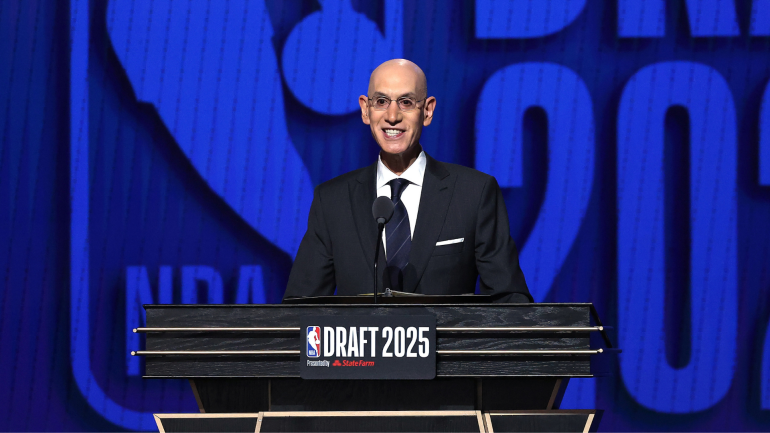
Three months later, Adam Silver changed the math.
The NBA lottery reform passed 29-1 on May 28th and Silver’s been celebrating it like he cured something. The tanking era is over. Teams will compete through the end of the season. Twenty-nine owners voted yes and the league moved on. That’s the version of this story most people walked away with.
Memphis voted no. And once you actually look at what’s in this thing, the vote makes complete sense.
What Is the NBA Lottery Reform?
The NBA lottery reform expands the lottery from 14 to 16 teams, flattens the odds dramatically, and penalizes the three worst teams in the league. Teams ranked 4th through 10th worst each get three lottery balls and an 8.1% shot at the #1 pick. The three worst teams only get two balls and 5.4% odds, the same as a play-in team. The system runs from the 2027 draft through 2029 and then sunsets.
I’ve read through the full rule set on this. The part most people are glossing over isn’t the odds chart.
Teams can no longer win the #1 pick in back-to-back years. Teams can’t have a top-5 pick in three consecutive drafts. No top-12 through top-15 protections on traded picks going forward. And Adam Silver gave himself expanded disciplinary authority, including fines up to $10 million, with the ability to change where a team picks in the draft if he decides they’re tanking. He didn’t define what that looks like. He just gave himself the call.
The consecutive top-5 rule is being called the Spurs rule because that’s exactly where it came from. San Antonio drafted Victor Wembanyama first overall in 2023, Stephon Castle fourth in 2024, and Dylan Harper second in 2025. Three straight top-5 picks, and enough owners got annoyed about it that Silver wrote a rule capping it from ever happening again. So now the Spurs build through the draft the right way, hit on their picks, develop those guys into real players, and get penalized for it. Can’t do it a fourth time. Somewhere Popovich is staring at his wall.
The Spurs rule is the part of this everyone understands. The part that’s actually going to reshape the league is what it did to every trade that was already made.
Why Memphis Cast the Only No Vote on NBA Lottery Reform
Memphis voted against the NBA lottery reform because the new rules retroactively changed the value of a pick they already own. The Grizzlies traded Jaren Jackson Jr. to Utah in February 2026 for three first-round picks. Utah drafted Ace Bailey 5th overall in 2025 and holds the 2nd pick in the upcoming 2026 draft. Two consecutive top-5 picks means the 2027 Utah pick that Memphis now controls cannot land in the top five, no matter what happens next season.
Memphis gave up a real player. Jaren Jackson Jr. averaged 19.2 points and 5.8 rebounds this year, and we’re talking about a guy who won Defensive Player of the Year in 2023. The return was three first-round picks, headlined by the best of Utah’s, Cleveland’s, or Minnesota’s 2027 first-rounder. The logic was simple: Utah has pieces, some of those three teams could struggle next year, Memphis picks the best ticket out of three. That was the math that made the trade happen.
Then Utah won the 2026 lottery. They’re at #2 right now for a draft class people are calling one of the best in 30 years. Last year they drafted Ace Bailey 5th. This year they pick 2nd. Two straight years with top-5 picks means the 2027 Utah pick that Memphis controls cannot be in the top five under the new rules. Doesn’t matter where Utah finishes. Doesn’t matter how good the class is. There’s a cap on that pick that didn’t exist when Memphis agreed to the trade.
Memphis went into that negotiation with a clear set of rules. Three months later, the league voted on different rules and applied them backwards.
The vote was 29-1. One team said this isn’t right. Twenty-nine teams said the numbers work in the long run and moved on. Memphis is holding the bag on a deal they can’t undo, under rules they didn’t agree to, and they didn’t even get a real conversation about it.
I get why Silver went after this. The Washington Wizards went 17-65 this year and lost 27 of their last 28 games. They got Trae Young and Anthony Davis and let them play a combined five games because winning was actively bad for the plan. Yeah. That’s embarrassing. Nobody’s arguing it isn’t. But you don’t fix that by changing the rules on a deal that was already signed. That’s not reform. That’s the league rewriting a contract and keeping the other party’s signature on it.
How the NBA Lottery Reform Changes the Draft Pick Trade Market
The NBA lottery reform is going to make first-round picks harder to trade. In 2027, 14 teams have already traded away control of their first-round picks, all under the old lottery math. With flattened odds now giving middle-of-the-standings teams a real shot at jumping up in the lottery, those teams have less reason to move picks they might now actually want to keep.
Under the old system, if you were a 35-win team going nowhere, your lottery odds were low enough that your picks weren’t worth a whole lot in trade talks. So you moved them. You traded futures for a real player and took your shot now. That’s how Kevin Durant ended up in Oklahoma City. James Harden in Brooklyn. Anthony Davis in LA. Bad teams dealing their futures to contenders because the futures weren’t actually that valuable.
Under the 3-2-1 system, a team that loses in the play-in has the same shot at the #1 pick as a team that went 17-65. Teams that used to have basically no lottery upside now have real lottery upside. So tell me: why would any GM in that situation move their pick? You’re in the middle of the standings, you’ve got a shot at jumping up in one of the best draft classes in 30 years, and someone wants you to trade that away. For what? The trade logic that ran the NBA’s star market for the last 15 years just got messier for a lot of teams.
And then there’s what they did to pick protections. Teams used to be able to protect traded picks in the 12-through-15 range. If a pick landed too high, the team sending it would keep it and defer it a year. Can’t do that on new deals anymore. You either send the pick exposed or you keep it. Which means GMs who used to include picks in trades with a safety net on the back end are now choosing between more risk or no deal. The Milwaukee Bucks owe picks to Portland. The Phoenix Suns owe picks to Houston and Washington. The LA Clippers owe picks to OKC and Philadelphia. All of those deals were made under the old math. Nobody from those franchises voted to change the math. Nobody asked them.
The draft exists so bad teams can get good. That’s the whole point of it. The NFL does this clearly: worst record picks first. The Las Vegas Raiders had the worst record this year and they pick Fernando Mendoza first overall. Simple. Every bad fan base knows the plan. The NBA added a lottery to stop teams from deliberately losing, which made sense, but every time Silver tinkers with it to make it more random he moves further from why the draft was designed the way it was in the first place.
A team can now go 17-65 and slide to the 10th pick while a play-in team that caught fire in February walks away with the #1. It’s going to happen. And when it does, Silver will stand there and say the system worked exactly as intended.
This sunsets after 2029. Three years. Silver didn’t even commit to the fix he just burned the trade market to get through. If it doesn’t work, they vote again. The teams holding picks that were traded under the old rules don’t get a do-over. Memphis doesn’t get a do-over.
Tanking is bad for the product. I’ll give Silver that. Nobody wants to watch a franchise tank through March. But there’s a difference between stopping tanking and breaking the only real path for bad teams to get good. Silver went after one and hit the other. Twenty-nine owners voted yes on May 28th. Memphis had already made a trade the new rules changed, and they voted no. The league kept moving.