Bryce Harper sat in a chair holding a bat last July while Rob Manfred talked to the Phillies about baseball’s economics. Harper sat quiet for most of the hour. Then he stood up, walked toward the middle of the room, and told the commissioner to get out of his clubhouse if the MLB salary cap was going to come up. Manfred told him he wasn’t going anywhere. Nick Castellanos raised his hand and said he had more questions, which is the most Nick Castellanos way to try to save a situation I can possibly imagine. The meeting ended with handshakes. Harper didn’t answer Manfred’s calls the next day.
Both sides put their opening proposals on the table this week. The players went first Wednesday, the owners Thursday. A lockout is coming December 1 unless something changes that nobody currently sees coming. And here’s the honest take after watching this league for years and looking at what both sides actually proposed: they’re both half right, both protecting the wrong thing, and neither one spent much time thinking about what the fan in section 201 needs to keep showing up.
Is an MLB Salary Cap Actually Good for Fans?
A salary cap without a salary floor does almost nothing for competitive balance. Capping what the Dodgers can spend doesn’t force the Pirates, the Marlins, or the Guardians to spend more. The teams that have been coasting on revenue sharing and keeping payrolls under $100 million while their cheap owners collect checks keep doing exactly that. The ceiling moves. The floor stays wherever Bob Nutting wants it.
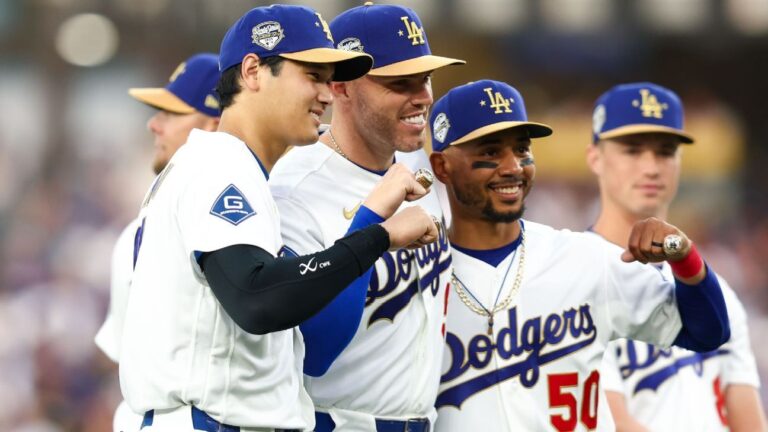
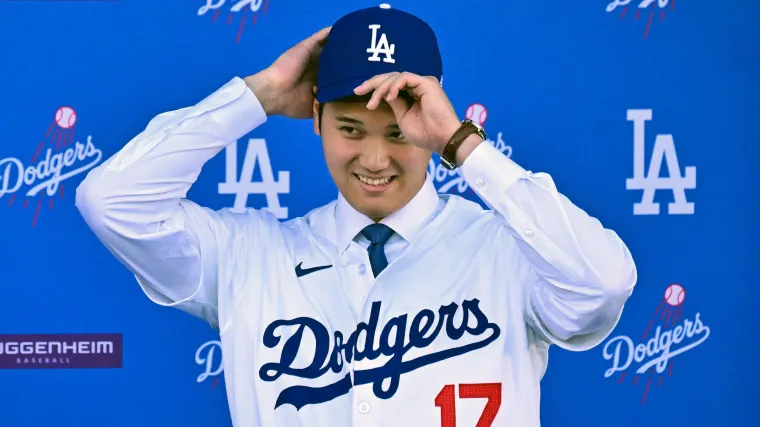
The spending gap is a real problem. The Dodgers have a competitive balance tax payroll of $417 million right now. The Marlins are at $82 million. That is more than five times the difference, and that’s not a quirk of the market, that’s what the sport looks like after years of uncapped spending and ownership groups with no obligation to actually compete. Shohei Ohtani is making $70 million in 2026 alone. The Pittsburgh Pirates’ entire cash payroll is around $100 million. Paul Skenes, who might genuinely be the best pitcher in the National League right now, is making $780,000 because he hasn’t hit his service time requirements yet and there’s no mechanism forcing Bob Nutting to pay him otherwise.
I watch this league every night and I’ll tell you what I don’t enjoy: knowing in March which five teams are going to be relevant in October. Every team can spend what they want and sometimes a low-payroll team sneaks through. The Guardians do it. But money helps. The gap between what the Dodgers spend and what the Marlins spend is not random and it’s not just about front office talent. So fans watching the same franchises buy every free agent worth having while their team cycles through another rebuild have a legitimate complaint. But a salary cap alone doesn’t fix that. It just lowers the top without doing anything about the bottom.
Why MLB Players Are Right to Hate the Cap (And Wrong About One Thing)
Players oppose the MLB salary cap proposal because they’ve seen what happens when caps get implemented. They suppress wages at the top without forcing spending at the bottom. The MLBPA’s counter-proposal, a competitive integrity tax that penalizes any team spending under $150 million on payroll, would actually do more for fans than a straight cap ever would. MLBPA executive director Tony Clark called a salary cap “institutionalized collusion.” That’s not a crazy characterization.
The NBA has had a cap since 1984. Small-market franchises still watch their best players leave for Los Angeles when they hit free agency. The NFL has had a hard cap since 1994 and the same franchises cycle through the top of the league while the same franchises cycle through the bottom. A salary cap is not a magic competitive balance machine. It’s a wage ceiling, and the teams that benefit most from it aren’t the teams with packed stadiums and star rosters. It’s the teams that have been comfortable being bad.
The players’ proposal has real things in it. The competitive integrity tax hitting teams under $150 million is a salary floor, and a salary floor is the idea that actually addresses what’s wrong with the sport for fans. Raise the minimum salary from $780,000 to $1.5 million starting in 2027. Push the luxury tax threshold up to $300 million so you stop punishing teams for actually spending. That’s a proposal that makes sense if you care about having competitive rosters on both sides of the diamond.
Where the players lose me a little: Harper told Manfred in that meeting that players “are not scared to lose 162 games.” I get it. That’s the MLBPA’s leverage. But that threat doesn’t land on Rob Manfred. It lands on the guy who already bought his season tickets. Manfred doesn’t lose a paycheck when there’s no baseball. The fans do. The vendors do. The stadium workers do. The players are making an argument that fans mostly agree with, and threatening to punish the fans if they don’t get their way. Worth saying out loud.
Who Does the MLB Salary Cap Actually Protect?
The owners proposing a salary cap include the same owners who have been collecting revenue sharing money from big-market clubs for decades without spending it on their rosters. Bob Nutting has kept the Pittsburgh Pirates in the bottom five payrolls in baseball for 16 of his 19 seasons as the team’s primary owner. A hard cap doesn’t change that. It just means he gets to do it while the Dodgers are capped at $300 million instead of $417 million, and he gets to call it competitive balance.
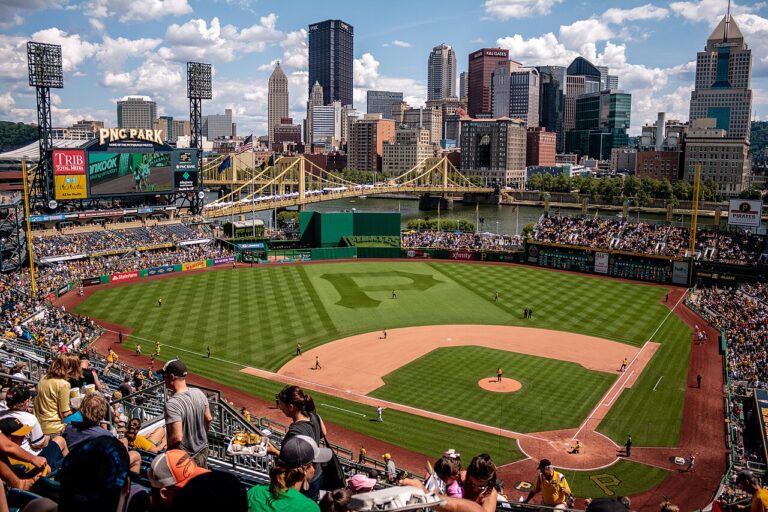
I’ve watched the Pirates get run as a revenue generator while calling it a rebuild for a long time. The framework is straightforward: collect your share of what the Yankees and Dodgers pour into the revenue pool, keep the payroll around $100 million, tell the fanbase the prospects are coming, do it again next year. Paul Skenes is making less than $1 million while Bob Nutting owns a Major League Baseball franchise. The Pirates are literally named in the players’ proposal as one of the franchises the competitive integrity tax is specifically targeting because they won’t spend. And Nutting is on the side that wants a salary cap.
The owners who have never been forced to spend anything want a rule that puts a ceiling on what the Dodgers can spend. The Dodgers spending $417 million is the problem, apparently. Not the owners who have been collecting a share of that money and keeping $100 million on the field while pocketing the rest. A salary cap makes the Nutting model permanent. It takes the pressure off ownership groups that have been coasting for years by giving them a ceiling to point at once the Dodgers are no longer the villain. The players’ competitive integrity tax would actually break that model. It would force cheap owners to either spend $150 million or pay a penalty, which means Bob Nutting would have to make a real decision about Paul Skenes instead of waiting out his pre-arbitration years.
The last time owners made a salary cap the centerpiece of CBA negotiations was 1994. Players went on strike August 12. Acting commissioner Bud Selig canceled the World Series on September 14. It was the first time the World Series hadn’t been played since 1904. The strike lasted 232 days. 948 games were canceled. Baseball spent a decade trying to win back the fans who walked away. Jeff Passan has been saying for months that a lockout is all but certain when this CBA expires December 1. Nick Castellanos compared it to a spouse telling their partner that divorce is probably coming. “You don’t just say those things,” he told ESPN.
Listen, I want a level playing field in this league. I want to believe in February that the Pirates have a real shot at October. What I don’t want is a salary cap that brings the Dodgers down from $417 million to $300 million while Bob Nutting sits at $100 million and calls it parity. The players’ competitive integrity tax is the closest thing in this entire negotiation to a proposal that actually helps fans. Owners won’t touch it because it puts the pressure on the people who’ve never been pressured. So instead we’re heading toward a lockout over a cap that mostly protects the teams that were already protected, while the fan who just wants to watch a competitive baseball game in October waits to find out if there’s even going to be a 2027 season.
Both sides are going to fight this out, and both sides are going to say they’re doing it for the integrity of the sport. Nutting calls $100 million a plan. The owners call a salary cap competitive balance. The fans calling their radio stations saying they’re sick of the same five teams getting every free agent are the only people in this conversation who are actually right about what’s broken, and the only people nobody is negotiating for.